
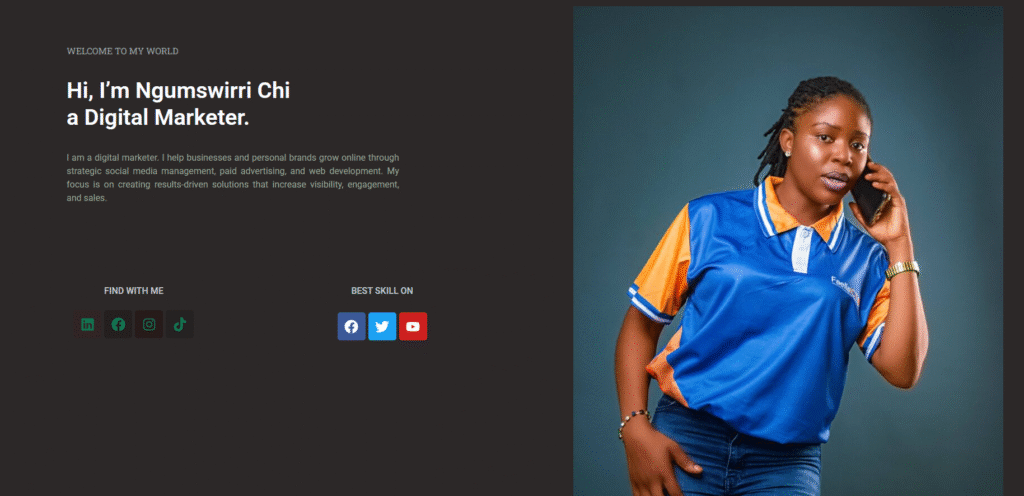
Creating my personal portfolio website ngumswirrichi.com has been one of the most rewarding yet challenging experiences of my digital career. As a digital marketer, web developer, and social media strategist, I wanted my website to reflect not just my skills but also my creativity and personal brand. However, the process came with several unexpected obstacles. In this post, I’ll share some of the key challenges I faced and how I managed to overcome them.
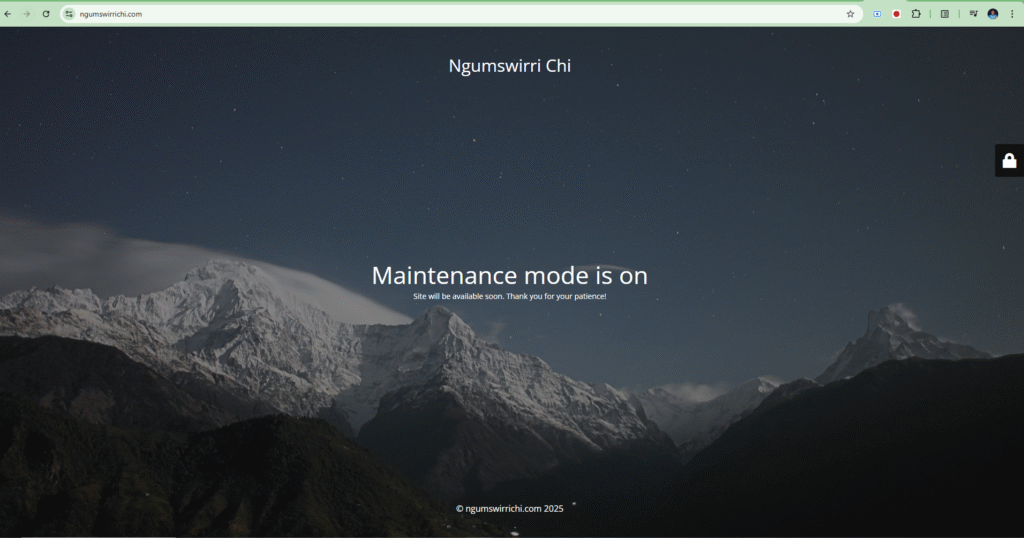
1. Internet Interruptions
One of the biggest challenges of building a website in Cameroon is dealing with unstable internet connectivity. Working online requires consistent access, and each time the connection dropped, my workflow was interrupted. Uploading files, customizing pages, or updating plugins sometimes took hours instead of minutes.
To overcome this, I started scheduling most of my web design work during late-night or early-morning hours when the connection was more stable. I also backed up my files frequently to avoid losing progress.
2. Building Without a Template
Unlike most people who start with a pre-designed WordPress or Elementor template, I decided to build my website from scratch. My goal was to create a site that truly represents my personal style, not just another cookie-cutter design.
However, this choice came with a price. Building from scratch meant setting up every section manually, and testing each feature. It was time-consuming and sometimes frustrating, but the final result was worth it because I had full control over the design and user experience.
3. Balancing Functionality and Aesthetics
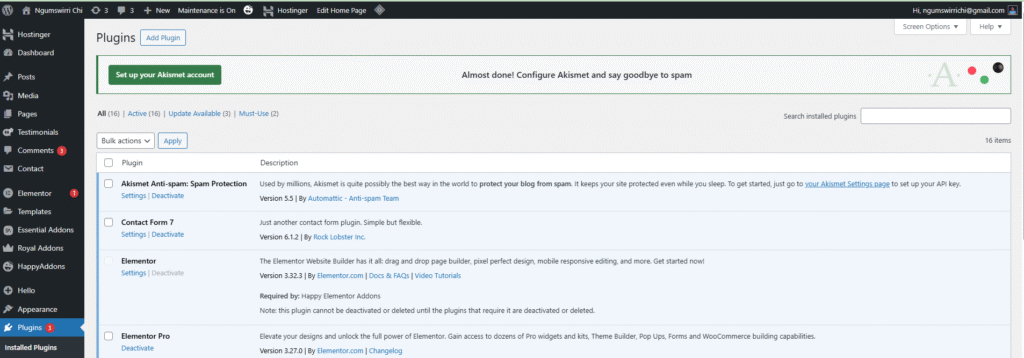
As a creative, I wanted my site to look visually stunning, but it also needed to load fast and work smoothly. Finding that balance between beauty and functionality was tricky.
High-quality images and animations can slow down a website, so I had to optimize images, compress videos, and use lightweight plugins to improve loading speed without sacrificing quality.
4. Writing My Own Content
Another unexpected challenge was creating all the website content myself, from the homepage text to the service descriptions and blog posts. As a marketer, I wanted every word to align with my personal brand tone and SEO goals. Writing and editing while building the site took time and demanded extra focus.
To stay consistent, I used an SEO checklist for every page, making sure to include target keywords, clear meta descriptions, and optimized headings (H1, H2, and H3).
5. Testing and Mobile Optimization
After completing the desktop version, I realized that what looks great on a laptop may not always look good on a smartphone. I had to test my site on different devices and adjust layouts for smaller screens. This process involved reworking spacing, resizing text, and improving mobile navigation for a smooth user experience.
6. Staying Consistent and Motivated
Building a personal website alone can sometimes feel draining especially when you’re handling everything from design to content and optimization. There were moments I wanted to pause, but I kept reminding myself that this website is my digital home, my portfolio, and my proof of expertise.
Final Thoughts
Building ngumswirrichi.com without a template, with limited internet access, and while handling every detail myself was challenging, but incredibly fulfilling. It taught me patience, problem-solving, and the importance of consistency.
If you’re thinking about building your own portfolio website, don’t be afraid to start small. Take it one page at a time, stay focused, and remember: the process itself is part of your growth story.
